Research
Private credit and the risks hidden in an illiquid valuation
Private credit is a loan that does not trade like a government bond. The September 2026 BIS Quarterly Review says it helped finance the shift toward the digital economy by lending against cash flows and intangible assets. A valuation that barely moves is not the same fact as a market price.
Key points
- The BIS Quarterly Review of September 2026, in a note dated 14 September 2026, says private credit helped finance the post-2020 digital economy by lending against cash flows and intangible assets.
- That sentence is not an asset total, a default rate or a yield.
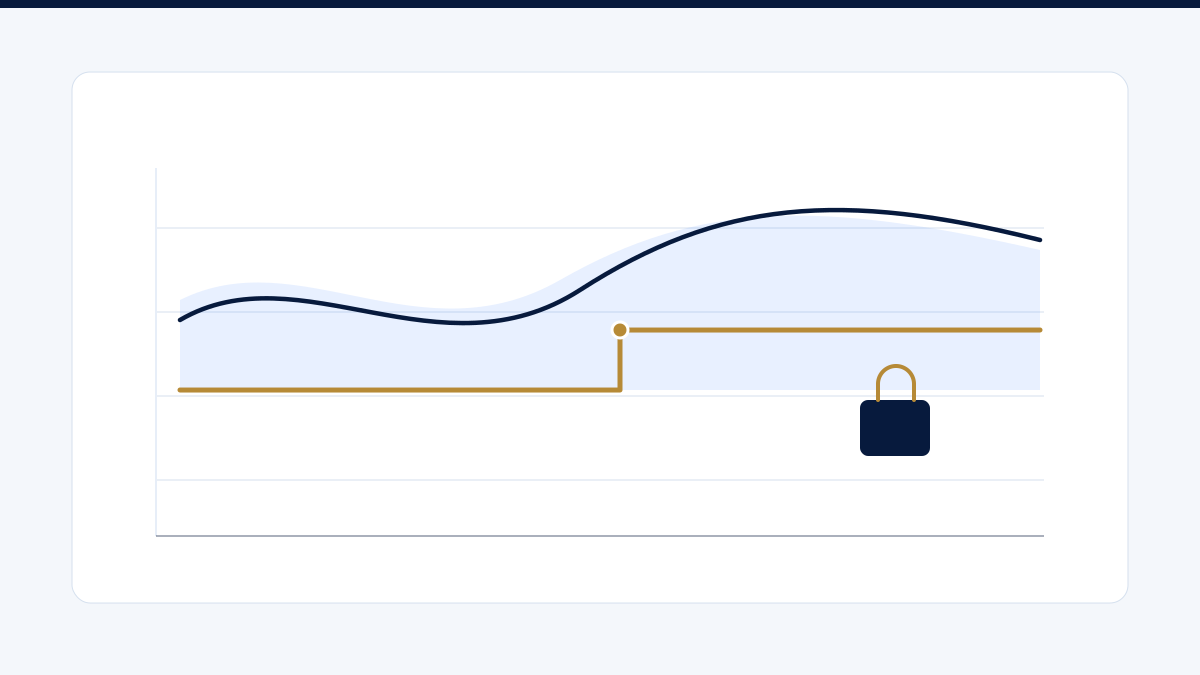
- An illiquid loan can be valued by a model. The model can be calm while the borrower’s cash flow is not.
- Redemption terms are part of the risk. A fund that offers quicker cash than the loans can deliver has a mismatch.
What is going on
The BIS Quarterly Review dated its September 2026 issue’s articles to 14 September 2026. The opening describes yields that had climbed and a risk appetite that, in the BIS’s words, held firm through geopolitical flare-ups, including hostilities in the Strait of Hormuz, plus fiscal concerns and unease about technology valuations. The private-credit article is summarised on that page in one line: private credit helped finance the post-2020 shift to the digital economy by lending against cash flows and intangible assets. This note uses that line. It does not open the PDF’s charts, and it does not add a stock of loans.
Why it matters
Lending against cash flow means the collateral is not a building the lender can sell on a known exchange. Lending against intangibles means the security may be a claim on software, contracts or intellectual property whose resale value is itself a valuation. Floating-rate borrower interest, where the loan is written that way, moves with the reference rate and still leaves credit risk. None of those mechanisms is measured by the smoothness of a quarterly net asset value.
What to watch
Read the borrower’s seniority, the covenants, the valuation policy and the gate on redemptions before reading a return. A later BIS review can revise the story. This page will not treat a new headline as a new statistic unless the document is opened.
Risks
Private credit can lose money through defaults, through weaker recoveries on intangible collateral, and through a fund structure that cannot sell loans at the model price when holders ask for cash. Correlation with equities can rise in stress even if the published valuation series looked independent. This is not a view that private credit is suitable, or unsuitable, for any person.
Related
Sources and review
Written by: WiT Markets Editorial. Writes and structures WiT Markets pages. Separates a sourced fact from a cell that is Not confirmed.
Review: Editorially reviewed. This is not a qualified specialist review and it is not a legal sign-off.
Last reviewed: . Next review due . The date is an editorial pass. It is not a live check of every third-party fee.
Regulatory and official sources
- BIS Quarterly Review, September 2026 — checked 19 October 2026
Methodology. Editorial policy. Corrections. Report an error.