Research
What the OECD's September 2026 interim outlook projects
The OECD's interim economic outlook of 23 September 2026 is titled Weathering Successive Shocks. It revises a global growth projection and describes an energy shock that government inventories and other supply helped to absorb. It is not the IMF outlook, and the two numbers should not be averaged.
Key points
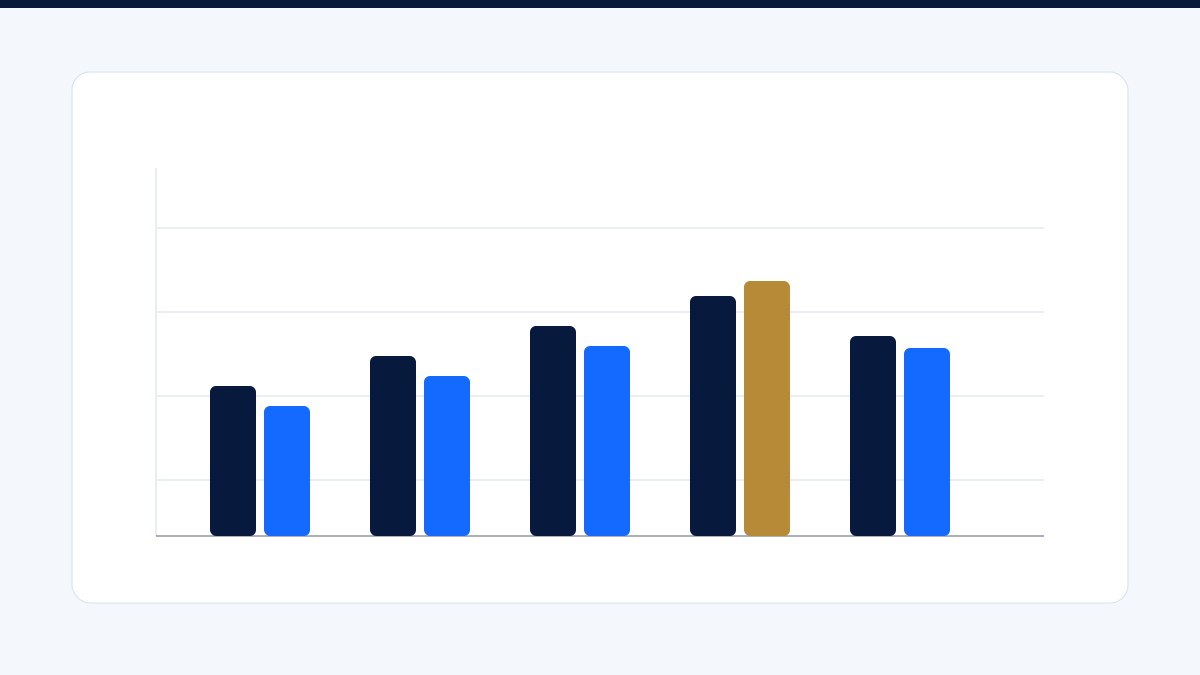
- The OECD projects global GDP growth of 2.9 percent in 2026, an upward revision, and 3.0 percent in 2027, a downward revision from 3.1 percent.
- It projects G20 headline inflation of 4.1 percent in 2026 and 3.6 percent in 2027.
- Core inflation in advanced economies is projected at 2.7 percent in 2026 and 2.5 percent in 2027.
- The IMF's October baseline for world growth is 3.1 percent in 2026. The gap is a difference of institutions, not a WiT Markets estimate.
What is going on
The OECD says growth in the first half of 2026 eased but was more resilient than it had anticipated. It attributes the contained fallout from the Middle East conflict to oil inventories, supply from outside the Gulf, and government support, with AI-related investment also supporting production and trade. A renewed energy-price shock in September, it says, is expected to keep inflation higher for longer. It describes long-term sovereign borrowing costs as having risen further, with 30-year government yields at levels it calls unseen in the past decade or two. It does not, on the page used here, print the yield itself. This note does not invent one.
Why it matters
An upward revision to 2026 growth beside a downward revision to 2027 growth is not 'the outlook improved'. The near-term number was raised. The following year was cut, on the OECD's account, because stronger prices, weaker real incomes and higher interest rates restrain momentum, even if AI-related activity and an assumed easing of energy prices later help. Anyone comparing this with the IMF's 3.1 percent for 2026 has to say which concept of global growth, which vintage and which cutoff is being used. Blending them into one house number would hide the disagreement.
What to watch
The OECD says downside risks include longer disruption to Middle East energy exports, weather-related supply shocks, a further rise in long-term sovereign yields, and AI investment returns that fall short of the earnings implied by current spending plans. It asks governments to keep energy support temporary and targeted, and central banks to keep inflation expectations anchored, with further policy adjustments possible if price pressures broaden or growth weakens a lot. Those are recommendations of the OECD, not decisions already taken.
Risks
Qualitative phrases such as 'yields unseen in the past decade or two' are the institution's description. They are not a data table. Public debt 'has risen sharply' is likewise the OECD's summary, not a debt-to-GDP ratio this page is willing to type without the table. Country paths inside the 2.9 percent are not restated here because this note stays with the global figures on the interim landing page.
Related
Sources and review
Written by: WiT Markets Editorial. Writes and structures WiT Markets pages. Separates a sourced fact from a cell that is Not confirmed.
Review: Editorially reviewed. This is not a qualified specialist review and it is not a legal sign-off.
Last reviewed: . Next review due . The date is an editorial pass. It is not a live check of every third-party fee.
Regulatory and official sources
- OECD Economic Outlook interim report, September 2026 — checked 19 October 2026
- IMF World Economic Outlook, October 2026 — checked 19 October 2026
Methodology. Editorial policy. Corrections. Report an error.