Research
Semiconductor supply is a chain of scarce steps
A chip shortage, in ordinary speech, sounds like one factory. The constraint can be a design tool, a foundry, a packaging line, a lithography supplier, a gas, or a minor metal recovered as a by-product. Cyclical inventories then sit on top of that structure and make a structural story look urgent, or finished, at the wrong time.
Key points
- Design, wafers, packaging, equipment and materials do not share one order cycle.
- The IEA says gallium, germanium, indium and antimony matter more as semiconductors, robotics and AI expand, and that European prices for gallium and heavy rare earths are around five times Chinese domestic prices.
- No foundry utilisation rate or equipment order figure is stated. None was read.
What is going on
The IEA executive summary says that as semiconductors, robotics and AI drive innovation, securing gallium, germanium, indium and antimony becomes more important. It says European prices for gallium and heavy rare earths, naming dysprosium and terbium, are around five times Chinese domestic prices, and germanium prices almost three times higher. It says ultra-high-purity gallium refining and compound-semiconductor manufacturing rely on only one or two specialised equipment suppliers outside the dominant supplier. It also says many of these minerals are by-products of copper, zinc and lead processing, so base-metal smelters are part of the chip-material chain. This note stops there. It does not add a wafer-start number.
Why it matters
A structural need for advanced chips can be true while the next four quarters are an inventory correction. Customers double-order when they are frightened and then cancel. Equipment makers feel that with a lag, because their tools were ordered for a factory that is still being built. A minor-metal price can spike, as the IEA describes, without becoming a large share of the finished chip's cost. The summary makes that general point for minerals: they can be a small share of the final product and still stop the product if they are missing.
What to watch
The cyclical claim would weaken if inventories and lead times normalised while capital spending on leading-edge capacity continued. The structural claim would weaken if a second processing route for the scarce material actually shipped, rather than being announced. Export controls are already part of the record: the IEA says the number of mineral tariff codes under Chinese export controls has tripled since 2023. A suspension, such as the one-year pause it describes on expanded rare-earth measures until November 2026, is not the same as a repeal.
Risks
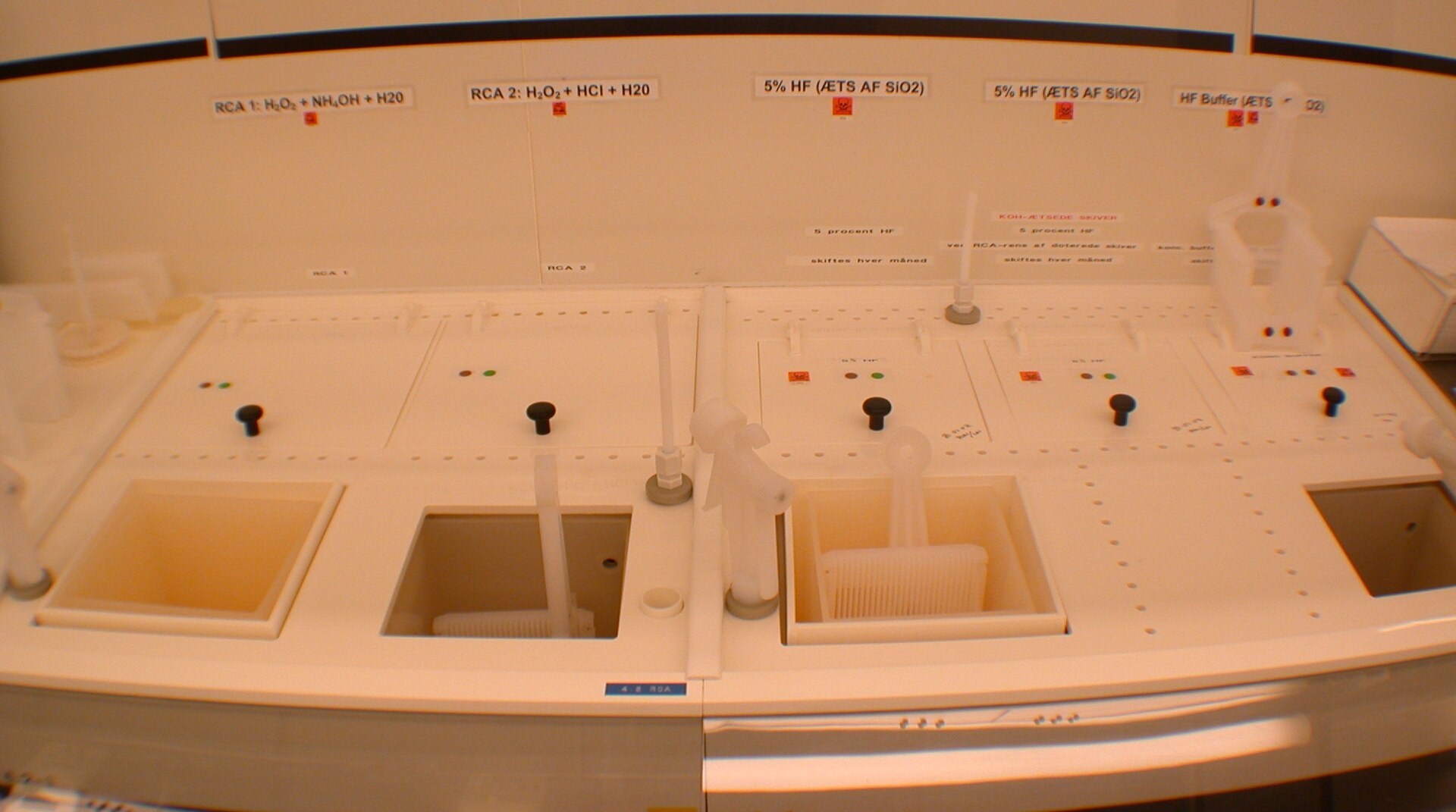
Geographic concentration can persist because a new fab does not recreate the chemical supply, the equipment supplier or the workforce. Policy can also subsidise capacity that runs below its cost. This page names no company and no market share. A photograph of process equipment is an illustration of a step, not evidence of that step's profitability.
The chain, without shares
Design sells architecture and software. A foundry sells wafers. Packaging and test sell the last physical step, which has become harder as chips are stacked. Equipment makers sell tools that are useless without the gases and the minor metals. Memory is a different cycle from logic. A fund that buys 'semiconductors' owns a blend of these cycles and should say so.
Related
Sources and review
Written by: WiT Markets Editorial. Writes and structures WiT Markets pages. Separates a sourced fact from a cell that is Not confirmed.
Review: Editorially reviewed. This is not a qualified specialist review and it is not a legal sign-off.
Last reviewed: . Next review due . The date is an editorial pass. It is not a live check of every third-party fee.
Regulatory and official sources
- IEA Global Critical Minerals Outlook 2026, executive summary — checked 19 October 2026
Other sources
- WiT Markets methodology — checked 13 October 2026
Methodology. Editorial policy. Corrections. Report an error.