Research
A higher dividend yield is not a higher total return
A dividend is a distribution of cash, decided by a board or by a fund’s policy. Total return adds the change in price. A fund screened for a high yield can be a concentrated portfolio of businesses that are distributing a lot because the price is already low.
Key points
- Distribution yield is a cash amount divided by a price. It can rise because the price fell.
- Total return includes that price. Income investors who ignore it are ignoring part of the result.
- Taxes and the fund’s fee sit between the company’s dividend and the cash the holder keeps.
What is going on
Broad market funds weight by the index rules, often by capitalisation. Dividend funds reweight toward payers, which can mean fewer holdings and a different sector mix. A dividend growth screen is not the same as a high-yield screen. Costs reduce both. Withholding tax depends on domicile and on the holder, which this note will not pretend to compute for a person. The multiple note already says a dividend is a policy, not a coupon. This note is about the fund that packages that policy.
Why it matters
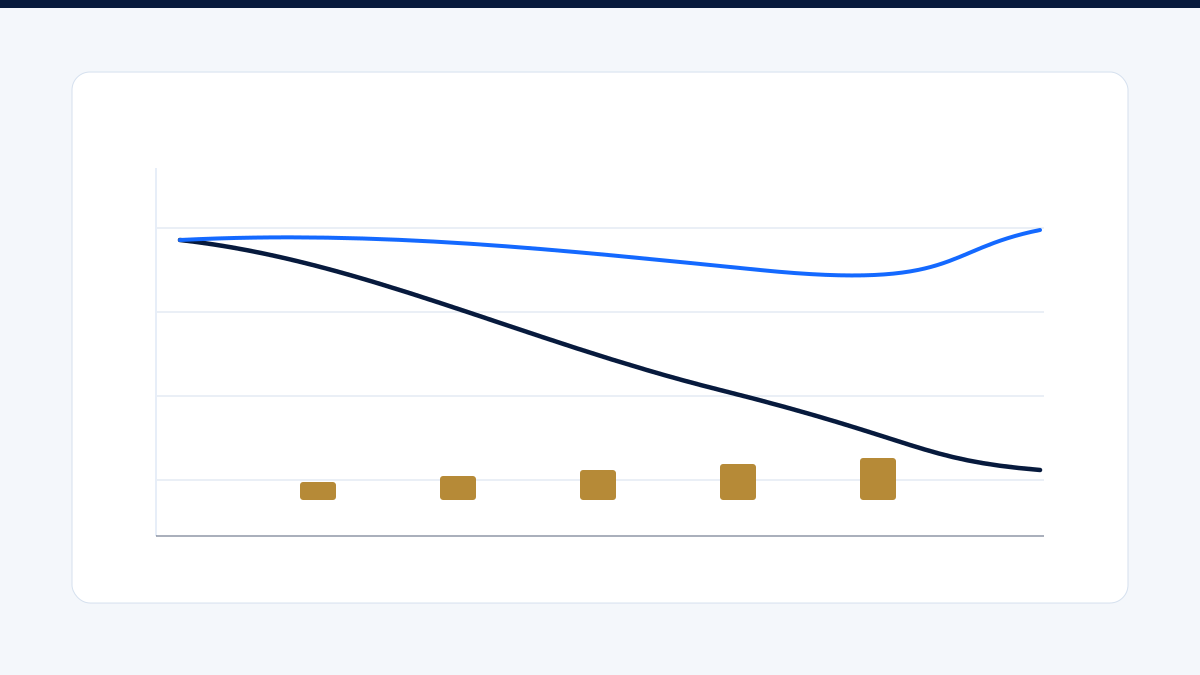
Suppose a fund distributes 4 percent and its price falls 6 percent over the year. The distribution yield looked generous. The total return was negative before tax. Suppose another fund distributes 1.5 percent and its price rises 6 percent. The total is higher even though the income was smaller. Neither case is a prediction. The arithmetic is there so yield and total return are not used as synonyms. The dividend calculator will project a path you type. It will not find next year’s declaration.
What to watch
Read the index rules, the number of holdings, the fee and whether distributions are paid from income or from capital. Compare total return over a stated period, net of the fee, and say which tax assumption you used.
Risks
High yields can be cut. Concentration can hurt. A tax regime can change. Nothing here says a broad fund or a dividend fund is the better holding for everyone.
Related
Sources and review
Written by: WiT Markets Editorial. Writes and structures WiT Markets pages. Separates a sourced fact from a cell that is Not confirmed.
Review: Editorially reviewed. This is not a qualified specialist review and it is not a legal sign-off.
Last reviewed: . Next review due . The date is an editorial pass. It is not a live check of every third-party fee.
Regulatory and official sources
- U.S. Securities and Exchange Commission — checked 13 October 2026
- Investor.gov — checked 13 October 2026
Methodology. Editorial policy. Corrections. Report an error.