Global macroeconomic research
Macro & Economics
Understanding the forces shaping growth, inflation, interest rates and global financial markets.
Independent macroeconomic research covering monetary policy, inflation, employment, economic growth, fiscal policy and the transmission of economic developments across bonds, currencies, equities and commodities. Figures appear only when a named official document has been read. There is no live macro ticker.
Featured research
Notes whose sources were opened for this edition. Older notes stay in the archive with their original dates.
Global economyMacro analysis
The global growth paradox: resilience that the IMF says is under strain
The October 2026 World Economic Outlook describes an economy that has kept growing through geopolitical disruption, and a set of margins the Fund says are thinning. The figures below are the IMF's projections, not outcomes that have already been measured for the full year.
Read the note
United States
Why the Federal Reserve raised the funds-rate range in September 2026
The 16 September 2026 FOMC statement: a quarter-point rise in the target range, and what the statement does not quantify.
Euro area
Euro area inflation and the ECB's September 2026 rate rise
The Governing Council's quarter-point rise on 10 September 2026, and the staff projections published with it.
Global economy
What the OECD's September 2026 interim outlook projects
The 23 September 2026 interim report's growth and inflation projections, and how they differ from the IMF's October figures.
Research themes
Counts are published notes carrying that tag. A theme with no note would say so.
Inflation & prices
Which price index, for whom, and over which period.
- CPI and PCE
- Headline and core
- Energy, food and wages
6 published notes
Filter the archiveInterest rates & yield curves
A policy rate, a bond yield and a curve are different objects.
- Policy rates
- Curve shape
- Term premium
4 published notes
Filter the archiveCentral banks
Name the institution and the decision date before discussing a reaction.
- Federal Reserve
- European Central Bank
- Other banks when a statement has been read
3 published notes
Filter the archiveEconomic growth
Output, spending and productivity. A projection is not an outcome.
- GDP
- Investment and consumption
- Business cycle
3 published notes
Filter the archiveEmployment & wages
Jobs, unemployment, participation, hours and pay can diverge.
- Payrolls
- Unemployment
- Wages and hours
1 published note
Filter the archiveFiscal policy & public debt
A deficit is a flow. Debt is a stock. The yield is a price.
- Deficits and issuance
- Refinancing
- Borrowing costs
1 published note
Filter the archive
Macroeconomics by region
A region card lists notes tagged for that region. It does not invent a GDP, inflation or policy-rate snapshot.
United States
4 published notes
Why the Federal Reserve raised the funds-rate range in September 2026
Published 19 October 2026.
Explore regional researchEuro area
1 published note
Euro area inflation and the ECB's September 2026 rate rise
Published 19 October 2026.
Explore regional researchUnited Kingdom
No standalone note is published for this region. Explore the archive rather than an invented statistic.
Explore regional researchJapan
No standalone note is published for this region. Explore the archive rather than an invented statistic.
Explore regional researchChina
No standalone note is published for this region. Explore the archive rather than an invented statistic.
Explore regional researchGlobal economy
4 published notes
The global growth paradox: resilience that the IMF says is under strain
Published 19 October 2026.
Explore regional researchEmerging markets
No standalone note is published for this region. Explore the archive rather than an invented statistic.
Explore regional research
Macro to markets
Conditional relationships. A market reaction also depends on what was already expected, on policy, and on whatever else is happening at the same time.
| Development | What may follow | What can break the story |
|---|---|---|
| Inflation surprise | Policy expectations can shift if the surprise is broad and expected to last. Nominal yields, real yields, equity multiples and the currency can all move, and they need not move together. | A one-month energy print can fade. The surprise may already have been in the price. |
| Growth slowdown | Weaker activity can pressure earnings and widen credit spreads. Government bonds can gain if investors prefer that claim. Policy easing is a later decision, not an automatic one. | Nominal incomes can hold up. One region can slow while another does not. |
| Fiscal expansion | More bond supply can raise the term premium. It can also support growth and, if the economy is tight, inflation. The mix decides whether yields rise with stronger activity or with a financing worry. | Demand for the bonds, the currency of issue and regulation can offset the extra supply. |
| Energy shock | Costs and a named consumer-price index can rise. Purchasing power can fall. Central banks may tighten, wait, or do something in between. Producers and users of the fuel can move in opposite directions. | Inventories, other supply and fiscal support can absorb the first round, as the OECD described for early 2026. |
Higher inflation does not always mean lower equity prices. Growth, margins, the policy response and the starting valuation can dominate the discount-rate effect. The longer treatment of an energy shock is the transmission note.
Official projections on the record
These are the institutions’ published paths, checked on 19 October 2026. They are not historical outcomes and they are not a WiT Markets forecast.
| Series | 2026 | 2027 | 2028 | What it is |
|---|---|---|---|---|
| IMF world growth | 3.1% | 3.4% | — | Projection, not an outcome |
| IMF world headline inflation | 4.7% | 4.1% | — | Projection, not an outcome |
| OECD world GDP | 2.9% | 3.0% | — | A different institution’s projection |
| ECB euro area headline inflation | 3.0% | 2.5% | 2.1% | Staff baseline |
| ECB euro area growth | 0.9% | 1.4% | 1.5% | Staff baseline |
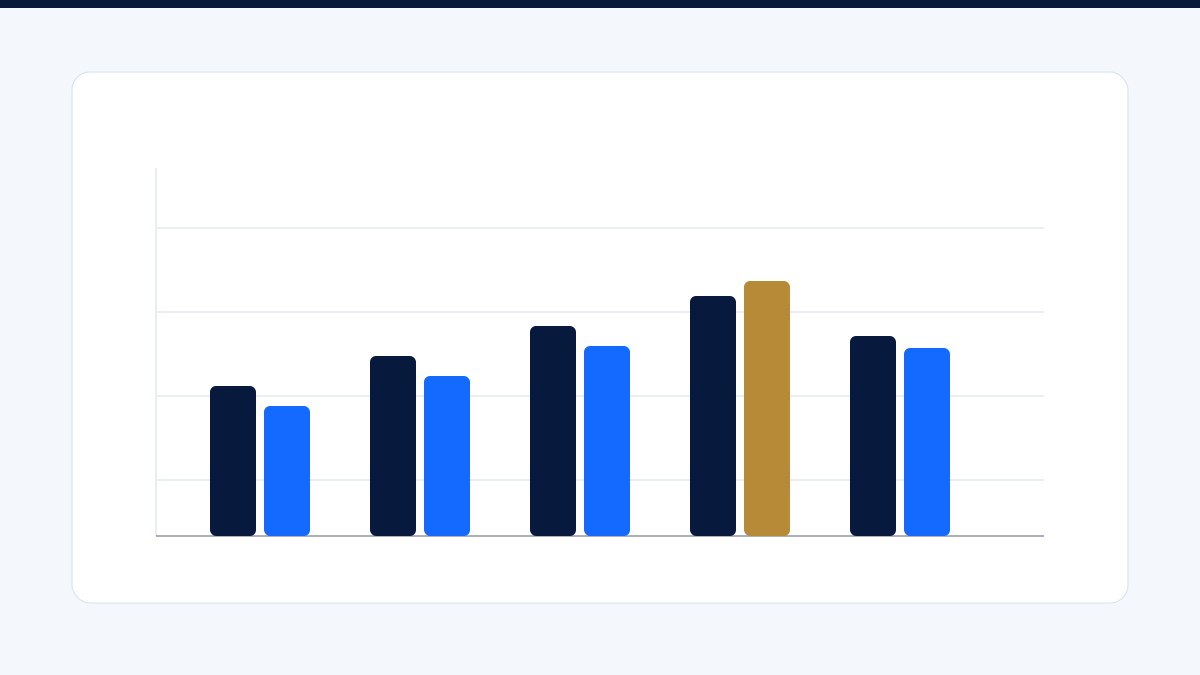
The bars repeat the IMF rows so the gap between 3.1 and 4.7 is visible. They are not a history. The IMF and OECD world-growth figures differ. They are not averaged.
Research series
A series is a tag on notes that exist. Empty series are not given their own page.
Understanding inflation
Indexes, exclusions and why two official rates can differ.
2 notes
Open in the archiveCentral bank policy watch
Decisions taken from a statement that was opened and checked.
2 notes
Open in the archiveReading the yield curve
Policy rates, long yields and the limits of a recession slogan.
2 notes
Open in the archiveGlobal growth monitor
IMF and OECD projections, kept as separate institutional paths.
2 notes
Open in the archiveFiscal policy and debt
Supply, refinancing and the cost of sovereign borrowing.
1 note
Open in the archiveLabour markets
Why one employment headline does not settle the rest.
1 note
Open in the archiveMacro to markets
Conditional paths from an economic change to asset prices.
1 note
Open in the archive
Editorial queue
These subjects were not published. A decision page or a country table was not opened, so the article would have had to invent the figure.
The Bank of England's policy dilemma
No Bank of England decision or Monetary Policy Report was opened for this edition, so no UK policy rate, services inflation print or gilt yield is stated.
Japan's interest-rate normalisation
No Bank of Japan statement was opened for this edition, so no policy rate, Japanese government bond yield or yen level is stated.
China's growth model
No National Bureau of Statistics release or IMF country table was opened for a China figure, so consumption, property and credit are not given numbers.
Research archive
Search titles, summaries and tags. Dates are the dates these notes were published, not the dates of the official reports they cite.
Macro & EconomicsEconomic explainerUnited States
Inflation is not one number: CPI, core inflation and PCE
Why consumer-price and personal-consumption measures answer different questions, with a labelled numerical illustration that is not a release.
Read note
Macro & EconomicsEconomic explainer
Inflation is more than one published series
Why consumer prices, producer prices and inflation expectations answer different questions, and why a single print is not a regime.
Read note
Markets, tools and related research
Routes that already exist. A calculator uses numbers you type. It does not forecast the economy.
Sources and editorial method
How to use this section
Start with the institution that publishes the series and the date of the document. A projection in an IMF, OECD or central-bank report is labelled as a projection. A policy rate in a decision statement is a decision, not a bond yield. Mechanism notes that do not have a fresh release do not invent the missing print. IMF, OECD, central-bank and BIS documents are the public maps this desk prefers to a broker’s recap of yesterday.
Growth, jobs and the government
Gross domestic product is a national-accounts concept with a revision schedule. Productivity relates output to an input such as hours or workers. Business investment is one component, not the whole. Recession is a label different institutions define differently. Employment growth, the unemployment rate and wages answer three questions. Fiscal analysis starts from spending, tax and the debt that has to be refinanced, in a named currency, under named laws. This page teaches the questions. It does not answer them with an unsourced figure.
Cross-asset reading
A higher discount rate is not a universal sell signal, and a cut is not a universal buy signal. Cash, bonds, equities and currencies absorb the same policy step in different places: the income on cash, the price of a bond, the discount on profits, the interest differential in a currency pair. The market-outlook note on reading a macro path is the companion to this section.
MethodologyEditorial policyCommercial disclosureCorrections
Sources and review
Written by: WiT Markets Editorial. Writes and structures WiT Markets pages. Separates a sourced fact from a cell that is Not confirmed.
Review: Editorially reviewed. This is not a qualified specialist review and it is not a legal sign-off.
Last reviewed: . Next review due . The date is an editorial pass. It is not a live check of every third-party fee.
Regulatory and official sources
- IMF World Economic Outlook, October 2026 — checked 19 October 2026
- Federal Reserve FOMC statement, 16 September 2026 — checked 19 October 2026
- ECB monetary policy decisions, 10 September 2026 — checked 19 October 2026
- OECD Economic Outlook interim report, September 2026 — checked 19 October 2026
Other sources
- International Monetary Fund — checked 13 October 2026
- Bank for International Settlements — checked 13 October 2026
- WiT Markets methodology — checked 13 October 2026
Methodology. Editorial policy. Corrections. Report an error.