Structural trends and thematic investment research
Market Themes & Structural Trends
Understanding the long-term forces reshaping industries, investment and financial markets.
Explore original research on artificial intelligence, semiconductors, electricity infrastructure, critical minerals, supply chains, healthcare, demographic change and productivity. Understand what drives each theme, where capital is being deployed and which risks may challenge the investment case.
Featured research
The lead note uses the IEA critical-minerals outlook of 16 July 2026. The cards beside it use the IMF and OECD 2026 outlooks. Photographs are credited under each theme.
David Ratledge, CC BY 4.0, via Wikimedia Commons

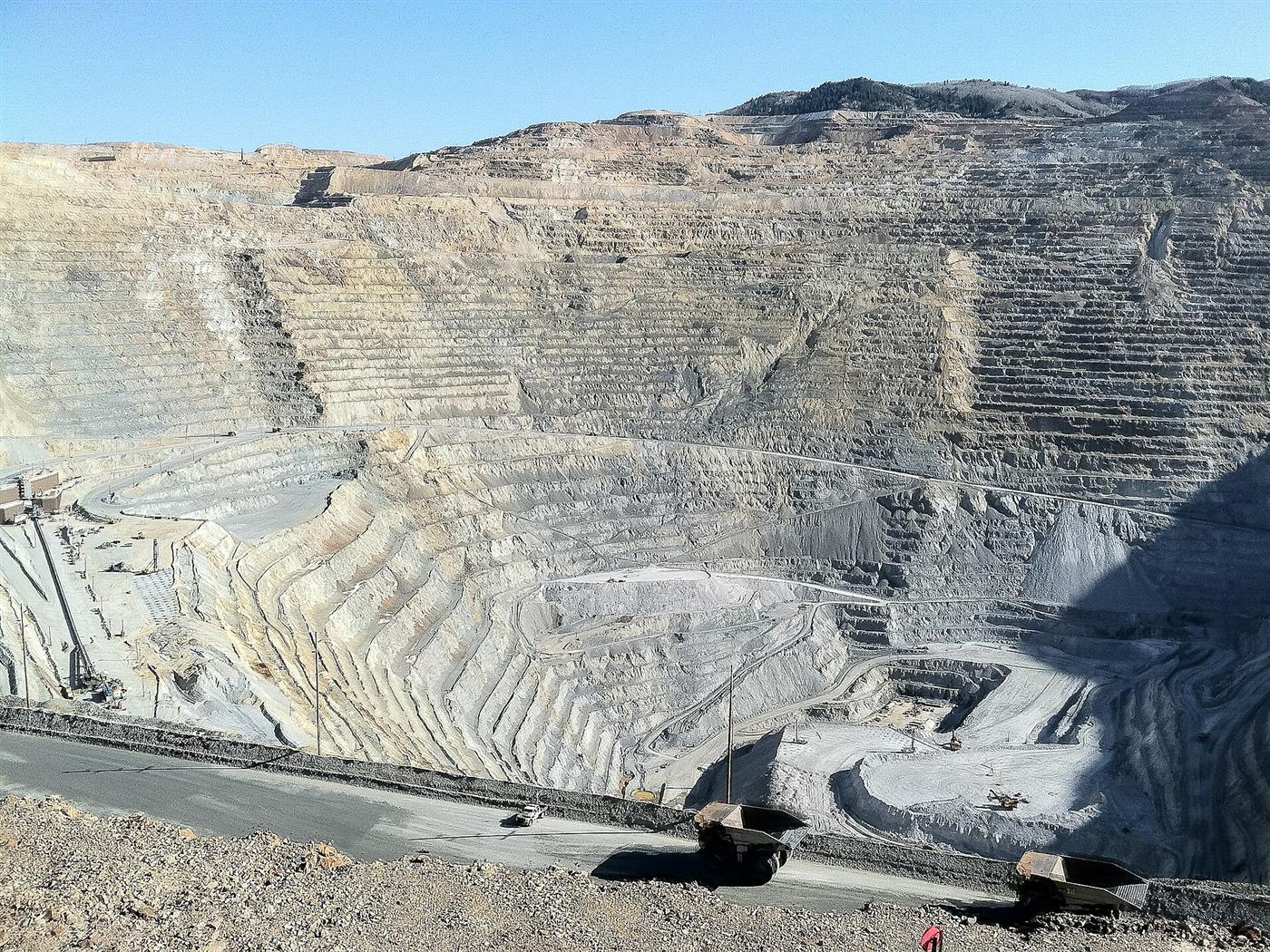
Critical mineralsTheme analysis
A copper deficit on a chart is not a mining return
The IEA's 2026 outlook says copper supply is still a concern, and it prints a projected deficit for 2035. A deficit in a scenario is a gap between two assumed paths. A miner's return is revenue minus costs, after the price, the grade and the capital spend have done their work. The two can move apart.
Read the note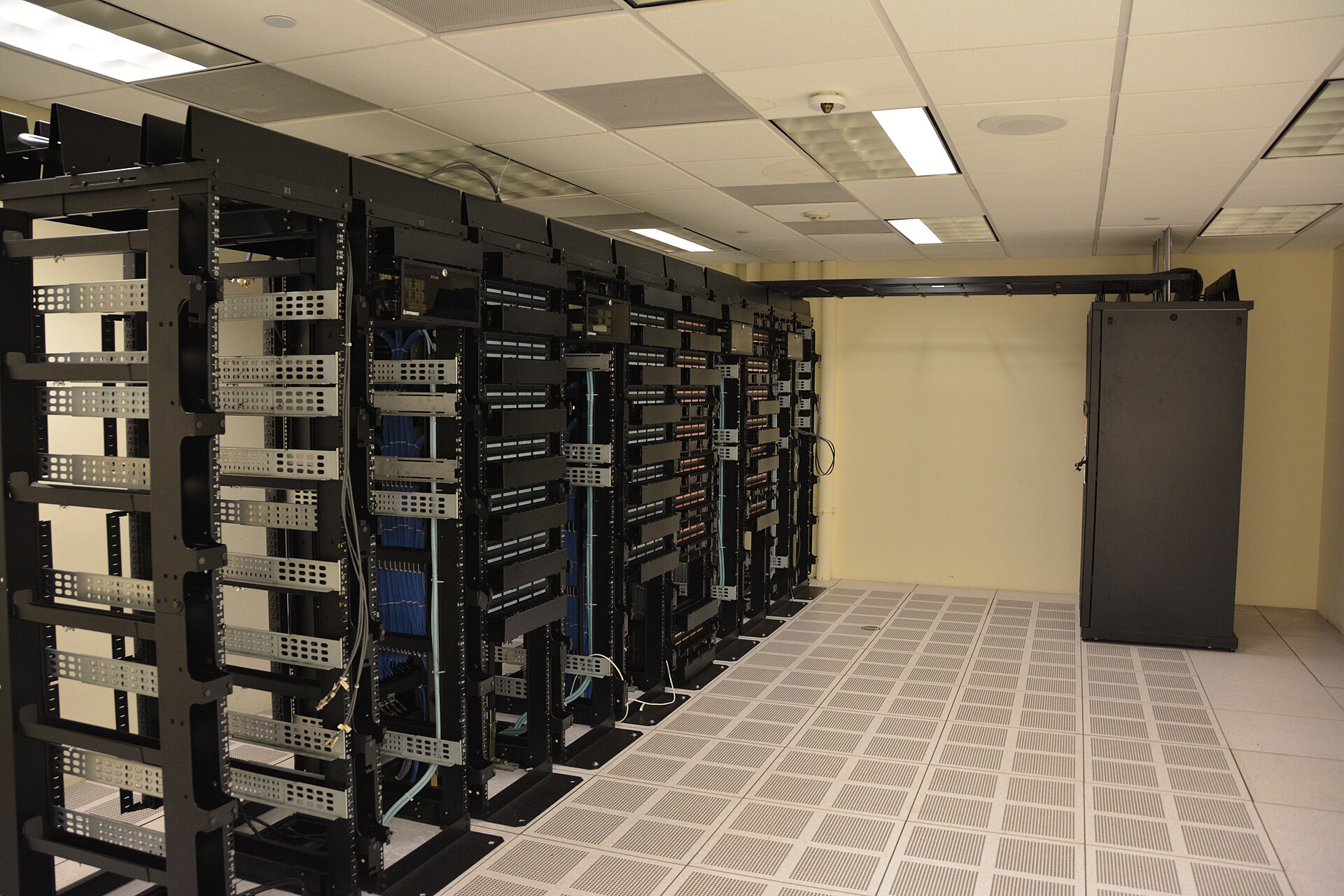
Carl Lender, CC BY 2.0, via Wikimedia Commons

AI spending is a capital-expenditure chain, not a return
How the IMF and OECD describe AI investment in 2026, and why the firms that absorb the spending are not automatically the firms that keep the profit.
Sredneuralsky Copper Smelter, CC BY-SA 4.0, via Wikimedia Commons

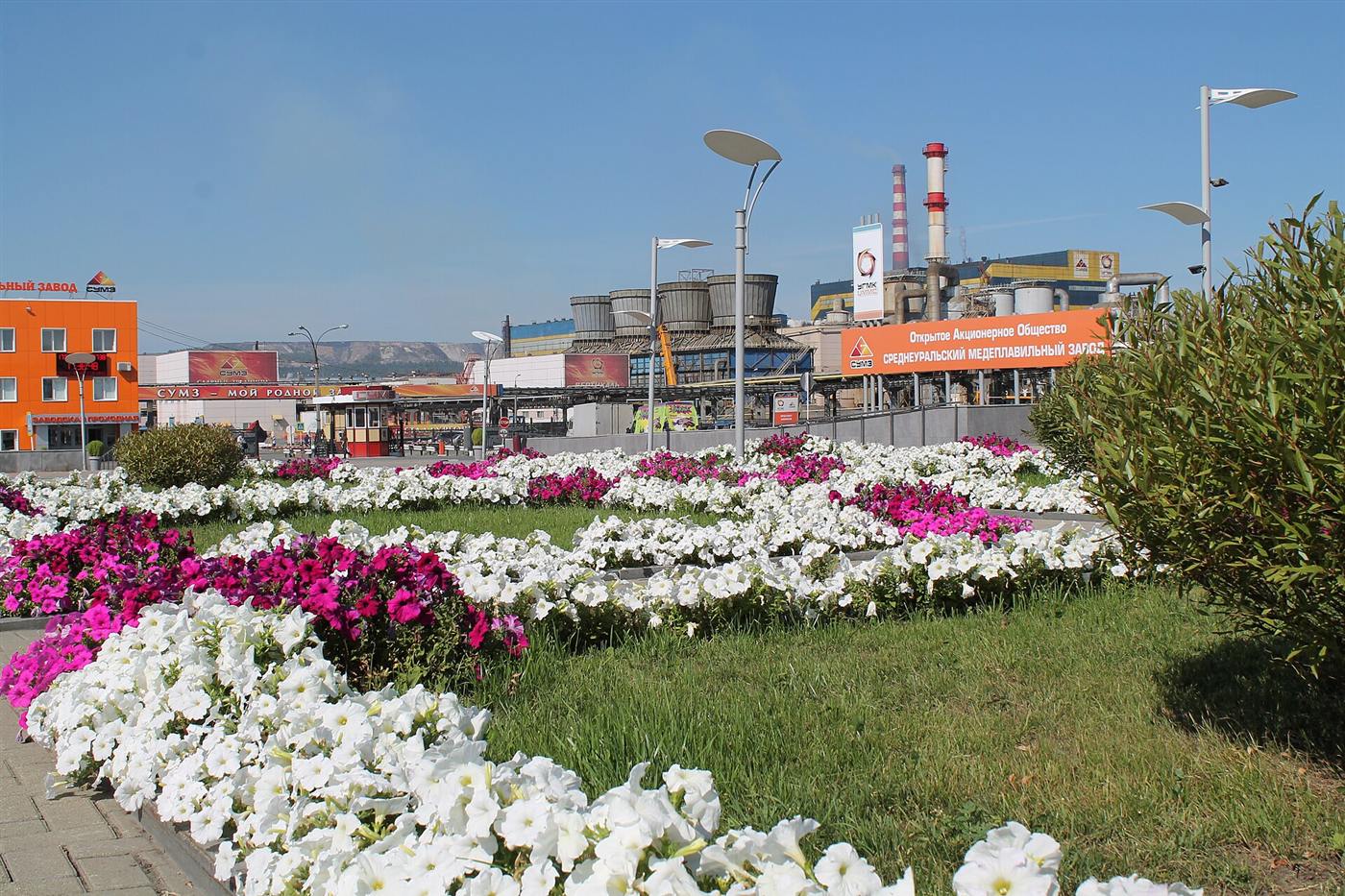
Refining can be the scarce step even when the ore is not
The IEA's 2026 account of refining concentration, cost gaps outside the dominant supplier, and the difference between a finance commitment and a disbursement.
Carl Lender, CC BY 2.0, via Wikimedia Commons
AI spending becomes growth only after it changes output
The IMF treats stronger AI investment and productivity as an upside. The OECD warns that returns may fall short of the earnings implied by the spending. Both can be quoted without a productivity percentage.
Explore structural themes
Counts are published notes carrying that tag. A note can sit in more than one theme. A count of zero means the category is described and not yet researched with a source.
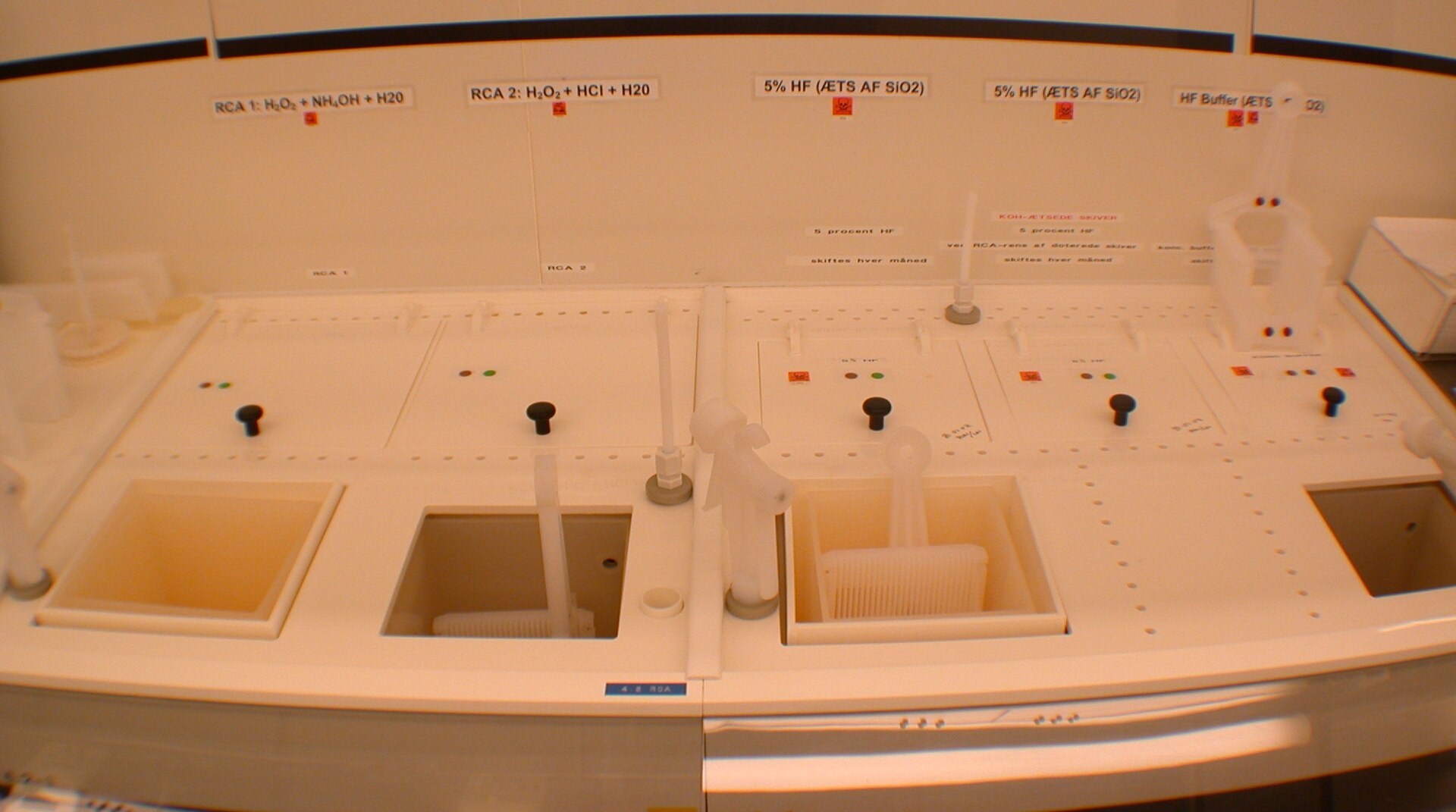
AI, computing and semiconductors
Spending on chips, equipment and computing capacity.
Structural driver. Customers building computing capacity ahead of proven productivity.
Constraint. A chain of scarce steps, from equipment to power, and a cycle of orders that can reverse.
5 published notes
Wikimedia Commons file WetEtchBench.jpg, CC BY 2.5. The file metadata did not name a photographer.
View the notes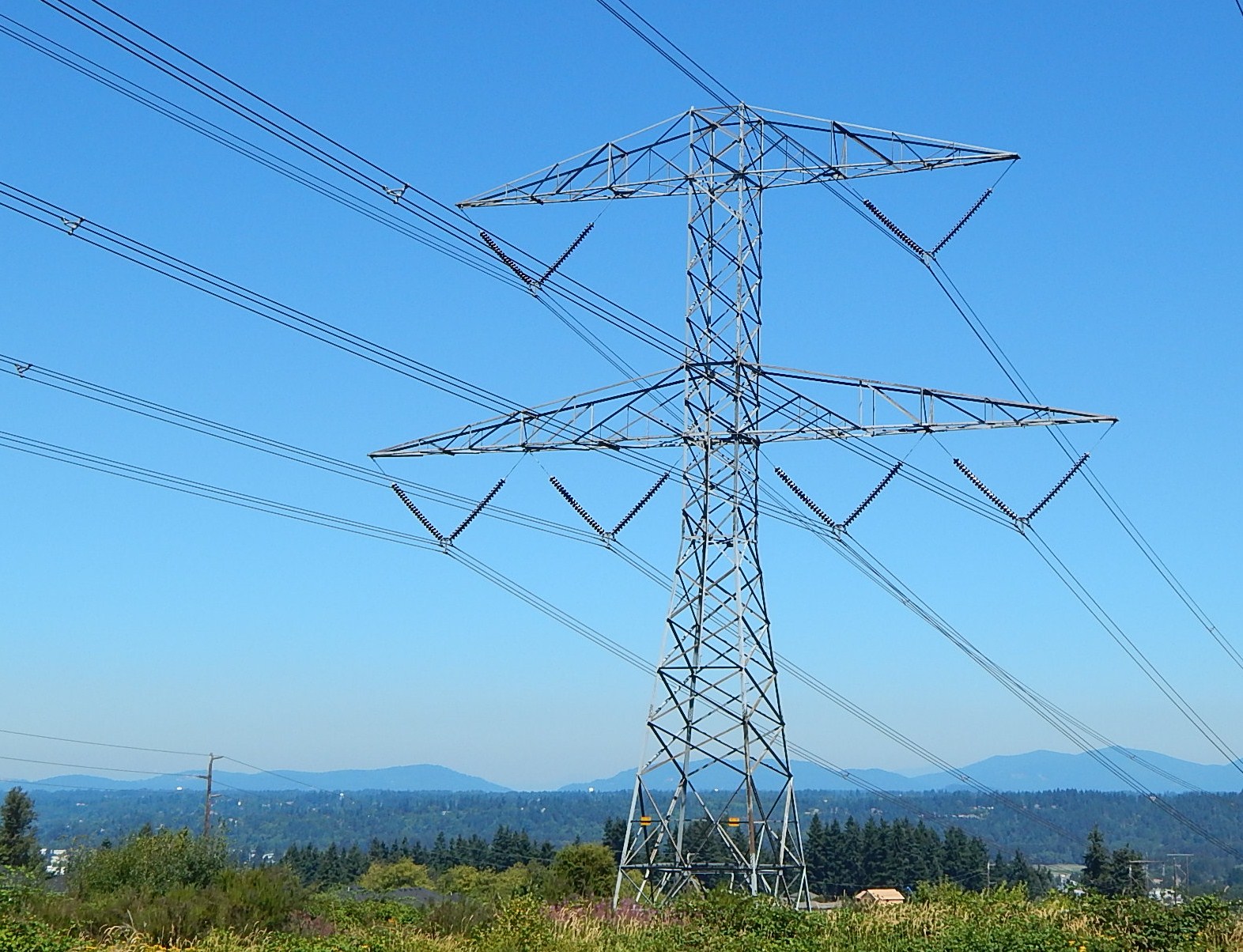
Energy, electricity and the grid
Generation, wires and the wait to connect.
Structural driver. Electrical load that needs a physical connection.
Constraint. Permits, transformers and the difference between an announcement and a metered site.
5 published notes
Ron Clausen, CC0, via Wikimedia Commons
View the notesCritical minerals and supply chains
Ore, refining and the materials inside electrical equipment.
Structural driver. More metal per unit of electrical and energy equipment.
Constraint. Time, the dominant refiner, and a price that can raise costs as well as revenue.
8 published notes
David Ratledge, CC BY 4.0, via Wikimedia Commons
View the notesDefence, reshoring and industrial capacity
Factories and the gap between a pledge and a disbursement.
Structural driver. A wish to build in a place that is not the cheapest.
Constraint. Higher capital and operating costs, and budgets this edition does not quote.
3 published notes
Sredneuralsky Copper Smelter, CC BY-SA 4.0, via Wikimedia Commons
View the notes
Demographics, healthcare and consumer change
Care that grows slowly and is paid for by someone else.
Structural driver. More people using care for longer.
Constraint. Staff and the payer. No demographic ratio is published here yet.
0 published notes
W.carter, CC0, via Wikimedia Commons
In the research queue
Digital finance, automation and productivity
Machines and software that might raise output, or might only raise spending.
Structural driver. A desire to produce more with the available workforce.
Constraint. The productivity statistic can lag the invoice, and payment volumes are not in this edition.
3 published notes
Henrysz, CC BY 4.0, via Wikimedia Commons
View the notes


Figures read from the IEA
Executive summary of the Global Critical Minerals Outlook 2026, checked 19 October 2026. The report page is dated 16 July 2026. These are not WiT Markets estimates, and they are not a price chart.
| Item | What the summary says | Kind | Unit or meaning |
|---|---|---|---|
| Top refining-country share, excluding rare earths | 72 percent in 2025, from 70 percent in 2023 | Reported for 2025 | Share of refined supply |
| Copper supply deficit in 2035 | 25 percent, from around 30 percent in the previous outlook | IEA projection | Gap in the 2035 scenario |
| Copper-focused company spending | Up 8 percent in 2025 | Reported for 2025 | Capital spending |
| Critical-mineral investment | Down 9 percent in 2025 | Reported for 2025 | Capital spending |
| Benchmark copper smelter fee | 0 dollars per tonne for 2026 | Annual settlement | Treatment charge, not the copper price |
| China's share of copper smelting capacity | About 50 percent by 2025, from about 15 percent | Capacity, since 2005 | Smelting capacity, not mine output |
| Public-finance commitments | About 65 billion dollars in 2025 | Commitments, not disbursements | Advanced economies |
| Copper in transformer and cable prices | About 10 to 15 percent | Cost share in the report | Not a demand forecast |
How we evaluate a market theme
Six questions. Each one opens a published note. None of them produces a score.
Structural demand
What would make customers spend for years, rather than for one budget cycle?
Open the related noteCompare structural market themes
Choose two or three. The cells are qualitative. Defence budgets, healthcare ratios and payment volumes are described only as indicators this edition did not open.
3 themes selected.
| Theme | Demand driver | Capital intensity | Bottleneck | Commercial exposure | Financial risk | What to monitor |
|---|---|---|---|---|---|---|
| AI infrastructure | Computing investment large enough for the IMF and OECD to cite | Servers, buildings, power | Equipment, power connection, customer concentration | Chip suppliers, cloud operators, utilities, software | Spending that does not earn the profits implied by the plans | Disclosed capital-expenditure plans and later margins |
| Electricity grid | New electrical load that cannot connect itself | Lines, substations, transformers | Permits, equipment lead times | Regulated networks, merchant cables, equipment makers | A queue that is not built, or a return that is revised | Approved connections versus metered energy |
| Critical minerals | More electrical equipment and energy technology per unit of metal | Mines, smelters, refineries | Time, water, power, and the dominant refiner | Ore, concentrate, refined metal, the processor | A projected deficit that is revised away, or a price that raises costs as fast as revenue | IEA pipeline updates, treatment charges, top-country share |
Where does the money flow?
Each step has a role, a way it might get paid, a capital need and a risk. No market shares.
| Step | Economic role | Capital requirement | Principal risk |
|---|---|---|---|
| Equipment | Sells tools before the factory runs | Cash tied up in a long order book | Cancellations and a single customer |
| Chip manufacturing | Sells wafers against a process | The fab itself | Utilisation and the next process node |
| Hardware suppliers | Sell servers and networking | Inventory and short product lives | A pause in cloud orders |
| Data-centre operators | Sell space and power | Buildings and connections | Power that arrives late |
| Cloud providers | Sell compute, often on a contract | Depreciation of the cluster | Price cuts and empty capacity |
| Software | Sells a renewal, if the customer agrees | Sales cost more than servers | A feature customers will not pay for twice |
| Enterprise customers | May produce more, or may only have spent | Training and checking the output | A productivity statistic that never arrives |
Research series
A series appears only when a published note carries it.
AI infrastructure and semiconductors
Spending, the chip chain and who might keep a margin.
2 published notes
Power, energy and electrification
Announcements, equipment and operating plant.
3 published notes
Critical minerals and industrial supply
Copper, refining and battery materials.
3 published notes
Industrial capacity and funding
Cost gaps and the difference between a commitment and a disbursement.
2 published notes
Productivity and automation
When spending shows up in output.
2 published notes
Thematic investing risks
Why a true demand story can still disappoint.
1 published note
Withheld until a source is read
These subjects are named so the absence is visible. They are not articles.
Data-centre electricity in terawatt-hours
No IEA electricity report or EIA table was opened, so no demand, capacity or connection-queue figure is stated.
Defence budgets and company revenue
No SIPRI table or NATO expenditure release was opened, so no budget, procurement or backlog number is stated.
Healthcare spending and ageing ratios
No WHO or UN population table was opened, so no dependency ratio or health-spend share is stated.
Industrial robot installations
No International Federation of Robotics statistical release was opened, so no installation count is stated.
Cybersecurity market size
No company filing or official budget series was opened for a cybersecurity spending total.
Payment-network volumes
No network operator report was opened, so no transaction count or take rate is stated.
Water infrastructure spending
No utility regulator or World Bank water-investment table was opened.
Thematic research archive
Search the published notes. Drafts in the queue above are not in this list.
Market Themes & TrendsTheme analysisGlobal economy
A winning industry can still disappoint the shareholder
Valuation, capital intensity and crowded expectations can separate a true demand story from a poor investment result. One arithmetic example is labelled as a worksheet.
Read note
Markets, tools and the rest of the desk
A link is a place to continue reading. It is not a suggestion that the related market will rise.
Methodology
The standard
A theme note names the structural driver, the evidence, where spending goes, who might keep a margin, which instrument expresses it, and what would weaken the thesis. It does not treat a technology, a budget speech or a projected deficit as a shareholder return. Figures appear only when the cited page was read. A projection is labelled as a projection.
What is deliberately missing
There is no ranking of themes, no performance of a basket, and no price target. Data-centre electricity in terawatt-hours, defence budgets, healthcare ratios, robot installations, cybersecurity totals, payment volumes and water spending are listed as a queue because those documents were not opened. The IEA figures that are published are dated to the July 2026 outlook and were checked on 19 October 2026.
Photographs
Category and article photographs are files stored on this site, taken from Wikimedia Commons. The credit and licence sit with the picture. A photograph shows a place or a machine. It is not a chart of spending, and it is not evidence that the industry earns its cost of capital.
MethodologyEditorial policyCommercial disclosureCorrections
Sources and review
Written by: WiT Markets Editorial. Writes and structures WiT Markets pages. Separates a sourced fact from a cell that is Not confirmed.
Review: Editorially reviewed. This is not a qualified specialist review and it is not a legal sign-off.
Last reviewed: . Next review due . The date is an editorial pass. It is not a live check of every third-party fee.
Regulatory and official sources
- IMF World Economic Outlook, October 2026 — checked 19 October 2026
- OECD Economic Outlook interim report, September 2026 — checked 19 October 2026
- IEA Global Critical Minerals Outlook 2026, executive summary — checked 19 October 2026
Other sources
- WiT Markets methodology — checked 13 October 2026
Methodology. Editorial policy. Corrections. Report an error.